Sewage Treatment Plant in Ship: Complete Guide for Marine Professionals
Introduction
Modern ships are designed to operate efficiently while protecting the marine environment. One of the most important systems used onboard for pollution control is the sewage treatment plant in ship. This system ensures that sewage generated by crew and passengers is properly treated before being discharged or stored.
Without proper treatment, untreated sewage can harm marine life, pollute oceans, and violate international maritime regulations. That is why every commercial vessel must have an approved sewage management system onboard.
In this detailed guide, you will learn about the sewage treatment plant onboard ship, its working principle, regulations, diagram, testing methods, and its importance in marine operations.
What is a Marine Sewage Treatment Plant?
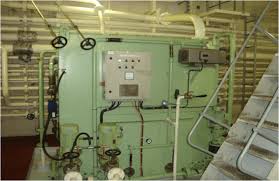
A sewage treatment plant in ship is a machinery system installed onboard to collect, process, and treat wastewater generated from toilets, urinals, wash basins, showers, and galley drains (depending on system design).
The main purpose of the plant is to remove:
Solid waste
Harmful bacteria
Suspended particles
Organic pollutants
Bad odor
After treatment, the water may be discharged at sea according to regulations or transferred to shore reception facilities.
Learn more about the Sewage Treatment Plant and other related topics from our MEO Class 4 Preparatory Course that will help you to excel in MEO Exams.
Table of Contents
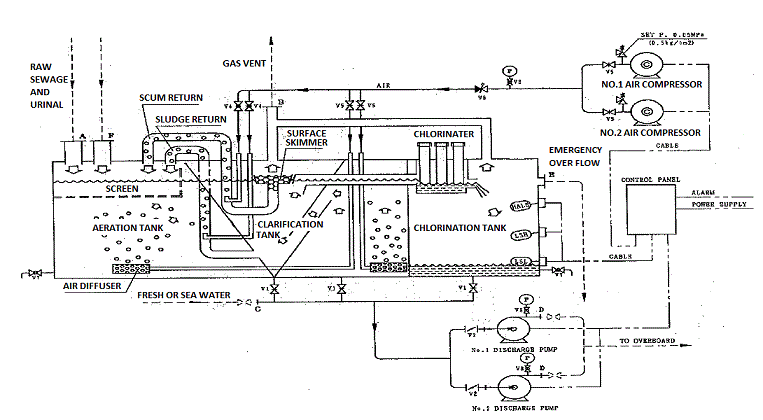
Sewage Treatment Plant on Board Ship Working Principle
1. Collection Tank
Sewage from toilets and drains enters the collection tank. Large solids are retained.
2. Aeration Chamber
Air is supplied through blowers. Bacteria break down organic matter using oxygen. This is known as biological treatment.
3. Settling Tank
Solid particles settle at the bottom as sludge. Clear water moves to the next stage.
4. Disinfection Stage
Chlorination or UV treatment kills harmful bacteria and pathogens.
5. Treated Water Discharge
Cleaned water is discharged overboard when allowed by regulations.
Find out the working of an Oily water separator with our dedicated blog where you will find everything from functioning to limitations of an Oily water separator.
Maintenance of Sewage Treatment Plant in Ship
Regular maintenance of the Sewage Treatment Plant (STP) is essential for smooth operation, pollution prevention, and compliance with International Maritime Organization regulations. Proper upkeep also prevents alarms, bad odor, overflow, and machinery breakdown onboard.
Daily Checks
Check blower air pressure and airflow.
Observe treated discharge quality (clear water, no foul smell, no solids).
Monitor control panel alarms and indicators.
Check for leaks from pipelines, pumps, valves, and tanks.
Confirm sewage feed pump is operating normally.
Check tank level and overboard discharge status.
Weekly Checks
Clean air filters and strainers.
Check operation of transfer/feed pumps.
Test level switches and float sensors.
Inspect valves for free movement and leakage.
Check aeration inside the biological chamber.
Remove sludge if excess accumulation is found.
Monthly Checks
Service motors and pump couplings.
Calibrate sensors, level probes, and alarm systems.
Check chemical dosing unit (if fitted).
Inspect electrical connections and tighten loose terminals.
Clean diffusers / aeration lines.
Check condition of rubber seals and gaskets.
Good Ship Practice
Always follow maker’s manual and PMS schedule.
Maintain proper entries in engine room logbook / maintenance records.
Keep spare parts ready (seals, fuses, sensors, filters).
Do not discharge untreated sewage in restricted areas.
Train crew for emergency handling and troubleshooting.
Keep the system running regularly to maintain healthy bacteria growth (for biological plants).
Sewage Treatment Plant Test on Ship
The Sewage Treatment Plant (STP) test on ship is important during surveys, port state inspections, class checks, and routine maintenance. Proper testing ensures the plant is operating efficiently, meeting pollution control standards, and ready for safe discharge as per International Maritime Organization MARPOL Annex IV requirements.
Common Sewage Treatment Plant Tests
1. Functional Test
This test checks the overall operation of the system.
Items to verify:
Start/stop of sewage feed pump
Transfer pump operation
Blower start and air supply pressure
Automatic running sequence
Control panel indications
Timer and cycle functions
Auto/manual mode changeover
Purpose: To confirm all mechanical and electrical parts are working correctly.
2. Water Quality Test
The treated effluent should be visually and hygienically acceptable.
Purpose: To verify treatment efficiency before discharge.
3. Chlorine Residual Test
For plants fitted with chlorination/disinfection units.
Check for:
Correct chlorine dosing
Residual chlorine level in discharge water
Condition of dosing pump
Chemical tank level
Injection line blockage
Purpose: To ensure proper disinfection without over-dosing chemicals.
4. High Level Alarm Test
This test confirms safety alarms operate properly when tank level rises.
Procedure:
Simulate high tank level manually or by float switch
Check audible and visual alarm
Confirm pump auto-start (if designed)
Verify alarm reset after level normalizes
Purpose: To prevent overflow and flooding.
5. Emergency Stop Test
The emergency stop system must stop running equipment instantly.
Check for:
Pump shutdown
Blower shutdown
Control panel trip indication
Safe restart after reset
Purpose: To ensure safe shutdown during malfunction or emergency.
6. Discharge Valve Test
Important for pollution prevention and legal discharge control.
Check for:
Valve opening/closing smoothly
Remote operation response (if fitted)
No leakage from spindle or flange
Correct line routing to overboard / holding tank
Interlock operation where provided
Purpose: To prevent accidental discharge and leakage.
Crew Responsibilities for STP Operation
Proper operation of the Sewage Treatment Plant (STP) depends on good coordination between ship staff. All crew members should follow onboard sanitation and environmental procedures, while engine department staff usually handle operation, troubleshooting, and maintenance.
General Responsibilities of Ship Staff
Ship Staff Should:
Use toilets and sanitary systems correctly.
Avoid flushing plastics, rags, wipes, metal, or other solid waste into the system.
Report any blockage, leakage, bad smell, or abnormal condition immediately.
Follow shipboard environmental and garbage disposal procedures.
Maintain cleanliness around sanitary spaces and sewage lines.
Use water carefully to avoid unnecessary overloading of the system.
Cooperate during inspections, testing, and maintenance work.
Follow safety precautions when working near sewage systems.
Responsibilities of Engine Department / Marine Engineers
Marine engineers are usually responsible for operation, monitoring, troubleshooting, and maintenance of the STP.
They Should:
Operate the plant correctly as per maker’s manual.
Start/stop pumps, blowers, and control systems when required.
Check alarms, tank levels, and discharge quality regularly.
Carry out daily, weekly, and monthly maintenance.
Record maintenance and operational activities in logbooks / PMS.
Report defects immediately to senior engineer or chief engineer.
Keep adequate stock of spare parts, chemicals, and consumables.
Ensure compliance with International Maritime Organization environmental regulations.
Prepare system for surveys, audits, and inspections.
Good Team Practice
Communicate defects quickly.
Keep records updated.
Follow pollution prevention rules at all times.
Maintain hygiene and safe working conditions onboard.
Conclusion
A sewage treatment plant in ship is a critical pollution prevention system that protects oceans and ensures compliance with maritime law. From collection to biological treatment, settling, disinfection, and discharge, every stage is important for safe vessel operation.
Understanding the sewage treatment plant onboard ship, its working principle, regulations, diagrams, and testing procedures is essential for marine engineers, deck officers, and shipping companies. Proper maintenance and operation not only avoid penalties but also support cleaner seas for future generations.
Disclaimer :- The opinions expressed in this article belong solely to the author and may not necessarily reflect those of Merchant Navy Decoded. We cannot guarantee the accuracy of the information provided and disclaim any responsibility for it. Data and visuals used are sourced from publicly available information and may not be authenticated by any regulatory body. Reviews and comments appearing on our blogs represent the opinions of individuals and do not necessarily reflect the views of Merchant Navy Decoded. We are not responsible for any loss or damage resulting from reliance on these reviews or comments.
Reproduction, copying, sharing, or use of the article or images in any form is strictly prohibited without prior permission from both the author and Merchant Navy Decoded.